
Brewing ginger beer at home begins with a ginger bug starter, a mix of grated ginger, sugar, and water. Ferment this for 3-7 days, then add more ginger, sugar, and water for the main brew. Let it ferment for 2-3 days at room temperature before refrigerating.
Brewing ginger beer at home is the process of creating a spicy, fermented beverage using fresh ginger root, sugar, and water, often with added yeast for carbonation.
Think of it like making a ginger-forward soda from scratch, where you control the heat and sweetness by adjusting the ginger quantity and fermentation time.
Key facts
- Ginger beer can be brewed both non-alcoholic and alcoholic, depending on fermentation methods.
- Fresh ginger root is essential for that distinct, zesty flavor; powdered ginger won’t cut it.
- Fermentation typically takes 2-3 days for a non-alcoholic version, or up to 2 weeks for an alcoholic one.
- Adding a squeeze of lemon juice can enhance the ginger’s natural spiciness.
What You’ll Need to Brew Ginger Beer at Home
To brew ginger beer at home, you’ll need a few basic ingredients and tools. The most critical component is fresh ginger root, which you should peel and grate finely to release its bold flavor. You’ll also need granulated sugar (or an alternative like honey), water, and a strainer or cheesecloth to separate the ginger pulp from the liquid. For fermentation, a clean glass jar or bottle with an airlock is ideal, though a simple plastic soda bottle will work in a pinch. If you want carbonation, you’ll need yeast or a ginger bug, a natural starter culture made from ginger, sugar, and water. The first time I really looked at the ginger bug method, I was surprised by how much it resembled traditional sourdough starter care, requiring daily feedings of sugar and ginger to stay active.
For equipment, a large pot for boiling the ginger syrup is essential, along with a funnel for transferring the liquid into bottles. If you’re aiming for a non-alcoholic version, you can skip the yeast and rely on natural carbonation from a second fermentation with additional sugar. For an alcoholic ginger beer, a hydrometer can help you monitor alcohol content, though it’s not strictly necessary for small batches. Many homebrewers start with simple, reusable flip-top bottles, which are easy to find online or at local brewing supply stores. If you’re experimenting with flavors, citrus peels or spices like cinnamon sticks can add complexity, but keep them minimal to let the ginger shine.
Step-by-Step: Brewing Ginger Beer at Home
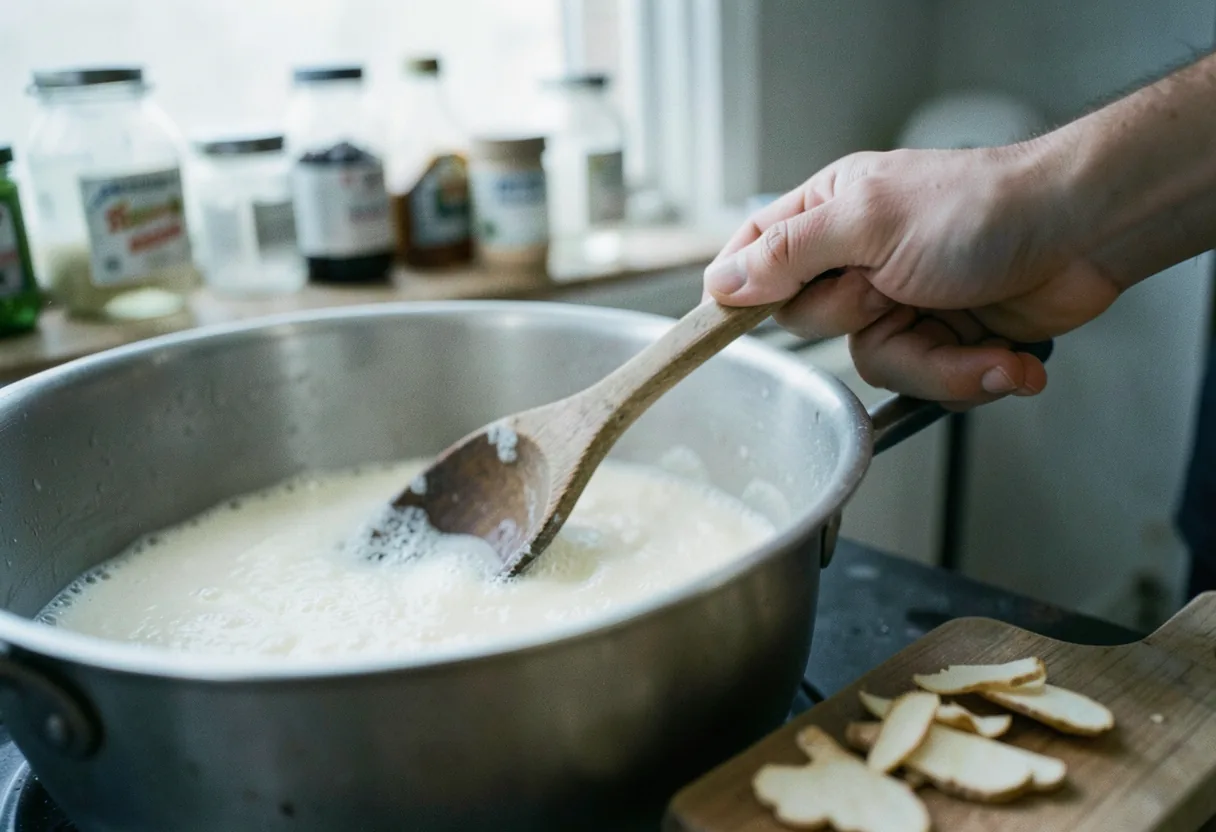
Begin by making a ginger syrup: peel and grate about 1 cup of fresh ginger root, then simmer it with 4 cups of water and 1 cup of sugar in a pot for 10-15 minutes. Stir occasionally to dissolve the sugar completely. Let the mixture cool, then strain it through a cheesecloth or fine mesh strainer to remove the ginger pulp. For a non-alcoholic version, mix 1 cup of this ginger syrup with 3 cups of water in a clean bottle, add 1-2 tablespoons of active ginger bug or a packet of brewer’s yeast, and seal it tightly. Let it ferment at room temperature for 2-3 days, then refrigerate to slow the carbonation. For an alcoholic ginger beer, use a hydrometer to check the sugar levels, then let it ferment for up to 2 weeks, tasting periodically to balance sweetness and spice. If you’re using a ginger bug, remember that it thrives on consistency, feed it regularly to keep it alive for future batches.
Once fermentation is complete, transfer the ginger beer to flip-top bottles, leaving about an inch of headspace. For extra fizz, add a small amount of sugar to each bottle before sealing. Store the bottles at room temperature for another 1-3 days to build carbonation, then refrigerate to halt fermentation. Be cautious when opening, ginger beer can be quite fizzy and may spray if not handled carefully. If you’re new to brewing, start with small batches to experiment with ginger quantities and fermentation times. Over time, you’ll develop a feel for how long to ferment based on your taste preferences. Many homebrewers keep detailed notes on each batch, tracking variables like ginger grind size, sugar type, and fermentation temperature to refine their recipe.
How to Customize Your Ginger Beer
One of the joys of brewing ginger beer at home is the ability to customize flavors. For a milder ginger beer, reduce the amount of grated ginger or shorten the fermentation time. To intensify the heat, increase the ginger or let it ferment longer. Adding a pinch of sea salt can round out the flavors, while a splash of lime or lemon juice brightens the profile. Some brewers experiment with aromatic spices like cardamom or cloves, though these should be used sparingly to avoid overpowering the ginger. If you’re brewing for a crowd, consider making both a spicy and a mild version to cater to different palates.
For a visually appealing twist, infuse the ginger syrup with turmeric or beet juice for a golden or pink hue. Just be aware that adding fruit juices or other ingredients can affect carbonation levels, so monitor your bottles closely during the second fermentation. If you’re feeling adventurous, try aging your ginger beer in oak barrels for a smoother, more complex flavor, though this requires careful sanitation to avoid contamination. The key is to start with a solid base recipe and then tweak it gradually. Over time, you’ll develop a signature ginger beer that’s uniquely yours. If you’re looking for inspiration, check out traditional recipes from regions like Jamaica or England, where ginger beer has deep cultural roots.
Troubleshooting Common Issues
If your ginger beer isn’t carbonating, it may be due to insufficient sugar or yeast activity. Check that your ginger bug or yeast is alive and active before use, and ensure the bottles are sealed tightly. If the ginger beer is too sweet, try fermenting it longer to allow the yeast to convert more sugar into alcohol and carbon dioxide. Conversely, if it’s too tart, reduce fermentation time or use less sugar in the initial syrup. Cloudy ginger beer is usually harmless, but if it has an off smell or taste, it may have spoiled, discard it immediately. Always use sanitized equipment to avoid contamination. If you’re new to fermentation, start with small batches to minimize waste while you learn the process. Many brewers find that their first few batches are a bit hit-or-miss, but patience and practice lead to consistent results.
Another common issue is over-carbonation, which can cause bottles to explode. To prevent this, burp your bottles daily during the second fermentation by briefly opening them to release excess pressure. If you’re unsure about carbonation levels, chill the bottles before opening, the cold temperature will slow the release of CO2, reducing the risk of geysers. If you’re experimenting with alcoholic ginger beer, keep in mind that the alcohol content will be lower than traditional beer, typically around 1-3%. For a stronger drink, extend the fermentation time or add more sugar. Always label your batches with dates and notes to track your progress and refine your technique over time. If you’re looking for more detailed guidance, consider checking out resources like the book "Brewing Better Beer" by Gordon Strong, which covers fermentation in depth.
Storing and Serving Ginger Beer
Once your ginger beer is carbonated to your liking, store it in the refrigerator to preserve freshness and halt further fermentation. Most homemade ginger beer will stay fizzy and flavorful for about 1-2 weeks, though non-alcoholic versions may lose carbonation faster. For longer storage, consider pasteurizing your ginger beer by heating it to 160°F (71°C) for 10 minutes, then sealing it in sterilized bottles. This kills the yeast and stabilizes the beverage, though it may mellow the flavor slightly. Serve chilled over ice, and pair it with spicy dishes, seafood, or as a mixer in cocktails like the Moscow Mule. If you’re sharing your ginger beer with friends, consider adding creative labels or serving suggestions to make it feel special.
For a festive touch, freeze ginger beer into ice cubes to use in drinks without diluting them. You can also experiment with flavored ice cubes made from ginger syrup or citrus slices. If you’re hosting a party, set up a ginger beer bar with optional mix-ins like muddled berries, mint, or a dash of bitters. This lets guests customize their drinks while showcasing your brewing skills. If you’re feeling ambitious, try barrel-aging a batch for a unique, complex flavor profile, though this requires careful planning and sanitation. The key is to have fun and enjoy the process of creating something delicious from scratch. Whether you’re sipping it solo or sharing it with friends, homemade ginger beer is a rewarding project that’s sure to impress.
Brewing Ginger Beer for Health Benefits
Beyond its delicious taste, ginger beer offers several health benefits, making it a popular choice for those looking to enjoy a refreshing drink with added perks. Ginger itself is known for its anti-inflammatory properties and can help soothe digestive issues, reduce nausea, and even alleviate muscle pain. The fermentation process also introduces probiotics, which support gut health and improve digestion. For those interested in the health aspects of ginger beer, it’s important to note that non-alcoholic versions are the best choice, as they retain all the beneficial properties of ginger without the added alcohol.
To maximize the health benefits, use organic ginger root and avoid adding artificial sweeteners or preservatives. Some brewers also incorporate other health-boosting ingredients like turmeric or honey, which can enhance the drink’s anti-inflammatory effects. However, it’s crucial to balance these additions carefully to avoid overpowering the ginger’s natural flavor. If you’re brewing ginger beer specifically for its health benefits, consider researching traditional medicinal uses of ginger in cultures like Ayurveda or Traditional Chinese Medicine. These practices often emphasize the importance of fresh, high-quality ingredients and specific preparation methods to unlock the full potential of ginger.
- Grate fresh ginger finely to maximize flavor extraction.
- Use sanitized equipment to prevent contamination.
- Monitor fermentation closely to avoid over-carbonation.
- Experiment with small batches before scaling up.
- Store finished ginger beer in the refrigerator to maintain freshness.
Start with a small batch to perfect your technique, then scale up once you’ve dialed in the flavors and carbonation. The key is patience, great ginger beer takes time, but the results are worth the effort.
Frequently asked questions
What's the difference between ginger beer and ginger ale?
Ginger beer packs a punch with live yeast fermentation, creating a spicy kick and slight alcoholic content. Ginger ale, like Canada Dry, is carbonated with sweeteners, offering a milder, less complex flavor. The 18th-century ginger beer plonk, a stronger version, could reach 11% ABV. Modern homemade ginger beer typically ranges from 0.5% to 2%.
Can I make ginger beer without alcohol?
Yes, by using a ginger bug starter. Combine grated ginger, sugar, and water, then feed it daily. After 3-7 days, mix it with ginger syrup and carbonated water. This method mimics fermentation without producing significant alcohol. The 2013 FDA regulation defines non-alcoholic beverages as containing less than 0.5% ABV. Homemade ginger beer made this way stays well below that threshold.
How long does homemade ginger beer last?
Unopened, it keeps 1-2 weeks refrigerated. Once opened, consume within 3 days. Fermentation continues slowly in the fridge, increasing fizz and potential alcohol content. For longer storage, pasteurize by heating to 160°F (71°C) or use a pressure canner. The 1919 Volstead Act's loophole allowed homebrewing for personal use, a rule still in effect today.
What's the best ginger-to-water ratio for brewing?
A common ratio is 1 cup grated ginger per gallon of water. Adjust to taste, but too much ginger can overpower. For syrup, a 1:1 ratio of grated ginger to sugar works. Simmer 15-20 minutes, then strain. The 1976 Food and Drug Administration standard of identity for ginger ale requires at least 0.05% ginger. Homemade ginger beer often exceeds this.