
Start with a simple pale ale recipe using 6 lbs of pale malt, 1 lb of caramel malt, and 1 oz of Cascade hops. Boil for 60 minutes, ferment with a clean ale yeast like Safale US-05, and bottle after 2 weeks.
Home brewing beer recipes are detailed instructions for crafting beer at home, ranging from simple beginner-friendly batches to complex styles like Belgian tripels or imperial stouts.
Think of home brewing beer recipes as cooking recipes, but for beer, each one is a roadmap with ingredients, steps, and tips to transform water, malt, hops, and yeast into something drinkable (or even award-winning).
Key facts
- Home brewing beer recipes typically require 4 core ingredients: water, malt (or grains), hops, and yeast.
- A 5-gallon batch of beer usually takes 2-4 weeks from brewing to bottling/kegging.
- Recipes vary by style, such as IPAs, stouts, or lagers, each with unique flavor profiles and brewing techniques.
- Advanced recipes may include adjuncts like fruit, spices, or alternative grains for complexity.
Simple home brewing beer recipes
For beginners, simplicity is key. A basic ale recipe is a great starting point, requiring minimal equipment and ingredients. A classic example is a simple American pale ale: malt extract, hops, and ale yeast. The first time I brewed this, I was surprised by how much flavor came from just a few ingredients. The malt extract provides the base sweetness, while the hops add bitterness and aroma. For a 5-gallon batch, you’ll need about 6.6 lbs of malt extract, 2 oz of hops, and a packet of yeast. The entire process takes about 2 hours of active brewing time, followed by fermentation (about 2 weeks).
Another easy recipe is a blonde ale, which uses a similar process but often includes a touch of caramel malt for a smoother, slightly sweeter profile. The key to success with simple recipes is consistency, measuring ingredients precisely and maintaining a clean brewing environment.
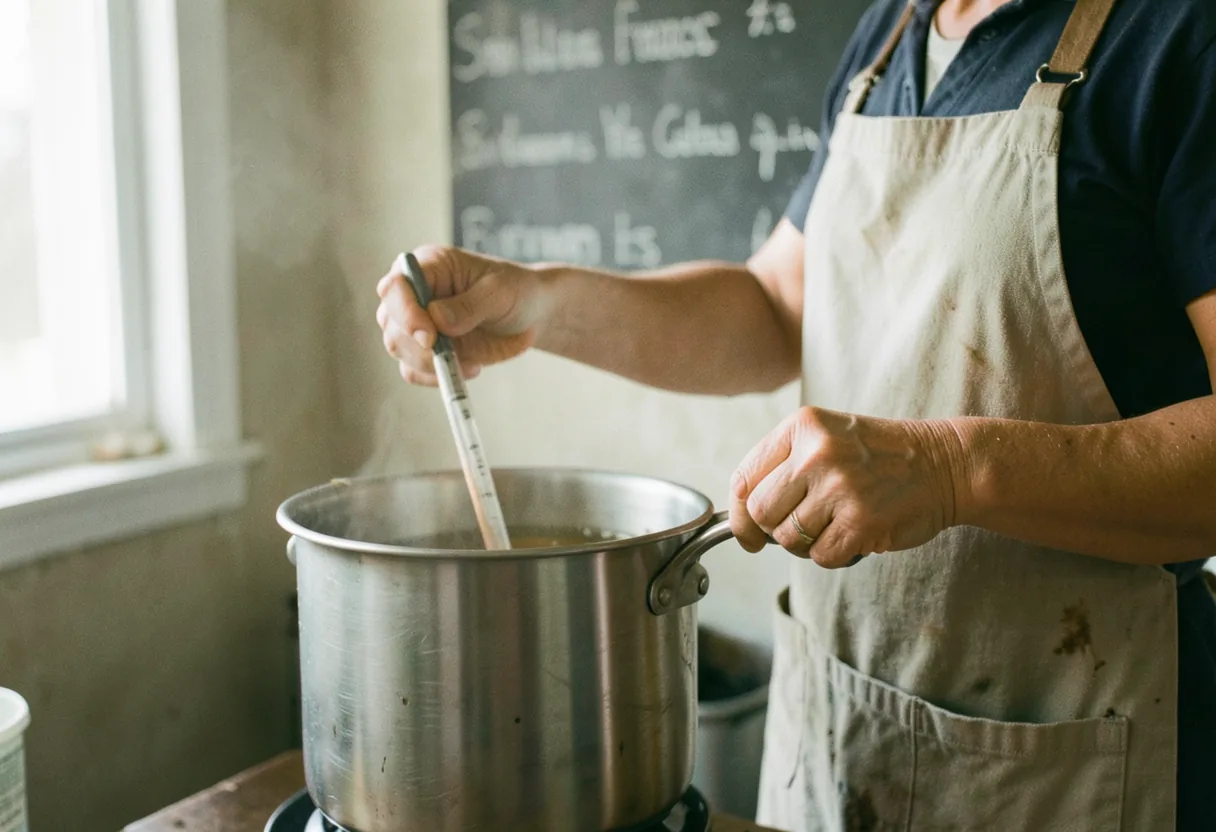
Home brewing beer recipes for beginners
If you’re new to brewing, start with kits designed for beginners. These often include pre-measured ingredients and simple instructions. For example, the Mr. Beer Homebrew Starter Kit comes with a malt extract, hops, and yeast for a basic ale. The kit’s instructions walk you through the process step-by-step, making it ideal for first-timers. Another great option is the Northern Brewer Homebrew Starter Kit, which includes equipment and ingredients for a 5-gallon batch of beer. These kits typically cost between $50 and $100, making them an affordable way to get started.
For those who want to dive deeper, the BJCP (Beer Judge Certification Program) style guidelines are a valuable resource. These guidelines outline the characteristics of different beer styles, helping beginners understand what to aim for in their brews. For example, a beginner brewing a German hefeweizen should know that the style typically has banana and clove notes from the yeast. The BJCP guidelines provide a clear target for brewers to hit.
Best home brewing beer recipes
The “best” home brewing beer recipes often depend on personal taste, but some styles are universally popular. An IPA (India Pale Ale) is a favorite among homebrewers due to its bold hop flavors. A well-respected recipe is the “Double IPA” from the book “Designing Great Beers” by Ray Daniel. This recipe uses a high gravity mash and a generous amount of hops, resulting in a beer with intense flavor and aroma. Another top-tier recipe is the Russian Imperial Stout, known for its rich, roasty flavor and high alcohol content. This style originated in the 18th century and remains a challenge for homebrewers due to its complexity.
For those looking for award-winning recipes, the National Homebrew Competition is a great source of inspiration. Medal-winning recipes are often shared publicly, providing a blueprint for brewers aiming for excellence. For example, the 2019 NHC winner in the Belgian and French Ale category used a blend of specialty grains and a unique yeast strain to achieve a balanced, complex flavor profile.
Free beer recipes
If you’re looking to brew without spending a lot, there are plenty of free beer recipes available online. Websites like Homebrew It offer a variety of free recipes for different styles, from lagers to stouts. Another great resource is the American Homebrewers Association (AHA), which provides a range of free recipes and brewing tips. For example, their “Extract Brewing” guide includes a simple recipe for an American amber ale, perfect for beginners. These free recipes often include detailed instructions and tips for success, making them a valuable resource for homebrewers on a budget.
For those who prefer printable recipes, the How to Brew Beer at Home Without a Kit guide offers downloadable PDFs of various beer recipes. These PDFs include step-by-step instructions, ingredient lists, and brewing tips, making it easy to follow along at home.
How to brew beer at home without a kit
Brewing beer at home without a kit is entirely possible, though it requires a bit more effort and creativity. The key is to gather the essential equipment and ingredients. For example, you can use a large pot (at least 5 gallons) as a brew kettle, a plastic bucket for fermentation, and a siphon for transferring beer to bottles. Ingredients like malt extract, hops, and yeast can be purchased individually from homebrew supply stores or online retailers. The process involves boiling the malt extract and hops, cooling the mixture, transferring it to a fermentation vessel, and adding yeast. While this method requires more DIY effort, it can be a rewarding way to brew beer on a budget.
For those who want a more detailed guide, the How to Brew Beer at Home Without a Kit offers step-by-step instructions and tips for brewing without a kit. This guide includes information on sanitization, fermentation, and bottling, ensuring that your beer turns out well even without specialized equipment.
Beer styles and classifications
Beer styles are categorized based on factors like color, flavor, and brewing methods. The most common classifications include ales, lagers, stouts, and porters. Ales are brewed with top-fermenting yeast and are typically fruity or spicy, while lagers use bottom-fermenting yeast and are usually crisp and clean. Stouts and porters are dark beers with roasted malt flavors, with stouts often being more intense and bitter. Understanding these classifications can help you choose a recipe that suits your taste preferences.
The BJCP style guidelines provide a detailed breakdown of different beer styles, including their characteristics, ingredients, and brewing methods. For example, a Belgian dubbel is a dark ale with notes of caramel, fruit, and spice, while a German pilsner is a light lager with a crisp, hoppy finish. These guidelines are a valuable resource for homebrewers looking to explore different styles.
For those interested in historical beer styles, the Understanding Home Beer Brewing Ingredients offers insights into traditional brewing methods and ingredients. This guide includes information on ancient beer styles like gruit ales, which were brewed with a blend of herbs and spices instead of hops.
Home brewing beer recipes by ABV
Alcohol by volume (ABV) is a measure of the alcohol content in beer. Different beer styles have varying ABV ranges, from light session beers to strong barley wines. For example, a session IPA typically has an ABV of 4-5%, making it a refreshing choice for casual drinking. On the other hand, a barley wine can have an ABV of 10-12% or higher, offering a rich, complex flavor profile. Understanding ABV can help you choose a recipe that suits your desired level of alcohol content.
For those looking to brew high-ABV beers, the Why a Beer Brewing Kit Is the Smart Start offers tips and techniques for increasing alcohol content. This guide includes information on using high-gravity malts, boosting fermentation efficiency, and aging beer to enhance flavor.
Cloning popular beers at home
Cloning popular beers is a fun challenge for homebrewers. By analyzing the ingredients and brewing methods of commercial beers, you can recreate your favorites at home. For example, the popular Sierra Nevada Pale Ale can be cloned using a combination of malt extracts, hops like Cascade and Centennial, and American ale yeast. The key to successful cloning is attention to detail, measuring ingredients precisely and following the brewing process closely. The book “Clone Brews” by Tecumseh of the Brewing Network provides detailed recipes for cloning popular beers, making it a valuable resource for homebrewers.
Another popular beer to clone is the Guinness Draught, known for its rich, roasty flavor. Cloning this beer requires a combination of roasted barley, malt extract, and a specific yeast strain to achieve the characteristic creamy texture and dark color. The Guinness Draught recipe in “Clone Brews” includes detailed instructions and tips for achieving an authentic clone.
Medal-winning home brewing beer recipes
Medal-winning home brewing beer recipes often set the standard for excellence in the homebrewing community. The National Homebrew Competition and other local and regional competitions showcase the best of homebrewing, with winners often sharing their recipes publicly. For example, the 2020 NHC winner in the American Ale category used a combination of malt extracts, hops like Citra and Mosaic, and a specific yeast strain to achieve a balanced, hoppy flavor profile. The recipe included detailed instructions and tips for achieving the desired flavor and aroma.
For those looking to enter competitions, the Home Brewing Beer Near Me: Finding Local Resources offers tips and resources for finding local and regional competitions. This guide includes information on competition rules, judging criteria, and tips for presenting your beer for judging.
Starting your monthly membership for exclusive content
For homebrewers looking to take their craft to the next level, a monthly membership can provide access to exclusive content, including advanced recipes, brewing tips, and community support. The Home Brewing Beer Near Me: Finding Local Resources offers a monthly membership program that includes access to a library of exclusive recipes, brewing guides, and a community forum for sharing tips and advice. Membership also includes discounts on brewing equipment and ingredients, making it a valuable resource for serious homebrewers.
Another great option is the American Homebrewers Association (AHA) membership, which provides access to a range of resources, including exclusive recipes, brewing guides, and a community forum. AHA members also receive discounts on brewing equipment and ingredients, as well as access to local and regional homebrewing events.
Logging in and unlocking exclusive member content
Logging in to your membership account is the first step to unlocking exclusive content. The Home Brewing Beer Near Me: Finding Local Resources provides a simple login process, allowing members to access their exclusive content library, brewing guides, and community forum. Once logged in, members can browse a range of advanced recipes, brewing tips, and community discussions, helping them to improve their brewing skills and connect with other homebrewers.
For those who are new to the membership program, the Home Brewing Beer Near Me: Finding Local Resources offers a range of resources to help members get started. This includes a welcome guide, brewing tips, and a community forum for asking questions and sharing advice. Members can also participate in exclusive events and competitions, providing opportunities to showcase their brewing skills and connect with other homebrewers.
Steps for brewing your first batch of beer
- Choose a simple recipe, such as an American pale ale or blonde ale.
- Gather your equipment, including a brew kettle, fermentation vessel, siphon, and bottles.
- Sanitize all equipment to ensure a clean brewing environment.
- Boil the malt extract and hops according to the recipe instructions.
- Cool the mixture to room temperature and transfer it to the fermentation vessel.
- Add the yeast and seal the fermentation vessel.
- Allow the beer to ferment for 2 weeks.
- Bottle the beer and allow it to carbonate for 1-2 weeks.
- Enjoy your homemade beer!
Start with a simple recipe and gradually experiment with more complex styles and techniques as you gain experience.
Frequently asked questions
What is the easiest beer to brew at home?
A basic American Pale Ale is the easiest. It uses a simple malt bill like 2-row and carapils malt, and a single hop like Cascade. Ferment with a clean yeast like Safale US-05. It's ready in about 4 weeks, with minimal equipment and ingredients.
What is the 3 30 300 rule for beer?
The 3-30-300 rule suggests you should spend $3 on ingredients, $30 on equipment, and $300 on education to start brewing. This balanced approach ensures quality without overspending. Adjust based on your budget, but keep the ratios similar for best results.
Is home brewing beer worth it?
Yes, if you enjoy crafting unique flavors. Homebrewing lets you experiment with styles like a Belgian Dubbel or a West Coast IPA. It's rewarding but time-consuming. Expect a learning curve, but the payoff is beer tailored to your taste.
Is homebrewing cheaper than buying beer?
It can be. A 5-gallon batch costs about $30 to make, yielding roughly 50 12-oz bottles. That's $1 per bottle, cheaper than most craft beers. However, initial equipment costs around $200. Over time, homebrewing saves money, especially for frequent drinkers.