
Home beer brewing starts with sanitizing equipment to prevent contamination. Boil water, malt extract, and hops to create wort, then cool it. Add yeast to ferment the wort for 1-2 weeks. Bottle the beer and let it carbonate for another week or two.
Home beer brewing how to is the process of fermenting grains, hops, water, and yeast to produce beer at home, following specific steps to ensure quality and safety.
Imagine brewing beer at home is like baking a cake: you mix ingredients (malt, hops, yeast, and water), follow a recipe, and let time and fermentation work their magic, transforming simple components into a complex, flavorful beverage.
Key facts
- Home beer brewing how to requires basic equipment like a brewing pot, fermenter, and bottling supplies.
- The process involves four main stages: brewing, fermenting, bottling, and aging.
- Sanitation is crucial to prevent contamination and ensure a successful batch.
- Homebrewing allows for endless experimentation with flavors and styles.
What you need
- Brewing pot (5-10 gallons)
- Fermenter (5-6.5 gallons)
- Airlock and stoppers
- Hydrometer
- Sanitizer (e.g., Starsan or One-Step)
- Beer bottles or kegs
- Bottle caps and capper
- Brewing ingredients (malt extract, hops, yeast, and water)
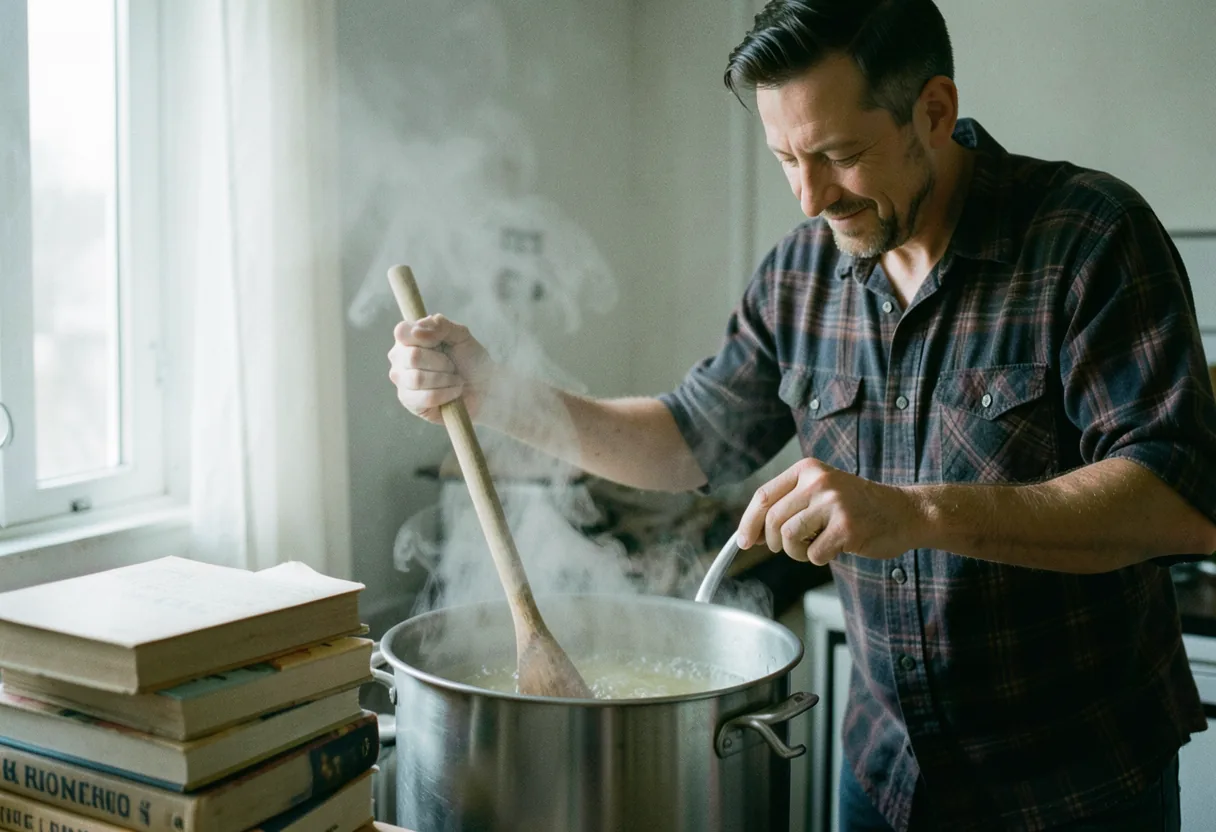
Home beer brewing how to: A step-by-step breakdown
- Sanitize all equipment: Before you start, thoroughly clean and sanitize all your brewing equipment using a no-rinse sanitizer to prevent contamination.
- Prepare your ingredients: Gather your malt extract, hops, yeast, and water. If using grains, steep them in a muslin bag at 150-155°F (66-68°C) for 20-30 minutes.
- Brew the wort: Heat water in your brewing pot and add malt extract, stirring until dissolved. Bring the mixture to a boil and add hops according to your recipe (typically 60, 30, and 5 minutes left in the boil).
- Cool the wort: After boiling, rapidly cool the wort to 70°F (21°C) using an ice bath or wort chiller. Transfer the cooled wort to your sanitized fermenter.
- Pitch the yeast: Sprinkle the yeast onto the wort and seal the fermenter with an airlock to allow CO2 to escape while keeping oxygen out.
- Ferment: Store the fermenter in a dark, cool place (68-72°F or 20-22°C) for 1-2 weeks, allowing the yeast to convert sugars into alcohol and CO2.
- Bottle the beer: Once fermentation is complete, transfer the beer to sanitized bottles, leaving about 1-2 inches of headspace. Add priming sugar to carbonate the beer.
- Age the beer: Store the bottled beer at room temperature for 1-4 weeks to allow carbonation and flavors to develop fully.
- Enjoy your homebrew: Refrigerate the beer for a few days before opening to enhance carbonation and flavor. Cheers!
Common mistakes to avoid
- Inadequate sanitation, which can lead to contamination and off-flavors.
- Inaccurate temperature control, affecting yeast performance and beer flavor.
- Poor quality ingredients, impacting the final taste and mouthfeel.
- Rushing the process, as fermentation and aging require time for optimal results.
Understanding beer styles
Home beer brewing how to includes exploring various beer styles, from light and refreshing lagers to complex and malty stouts. The Brewers Association recognizes over 150 beer styles, each with unique characteristics. For a comprehensive guide, check out the Beer Styles page on Wikipedia.
Brewing equipment options
Home beer brewing how to: Resources for further learning
To deepen your understanding of home beer brewing how to, consider exploring resources like the Best Home Beer Brewing Books for Serious Brewers section on this site or enrolling in online courses. For example, the American Homebrewers Association offers a range of educational materials and events for homebrewers of all skill levels.
Creating your own recipes
Once you’ve mastered the basics of home beer brewing how to, you can start experimenting with your own recipes. Begin by understanding the role of each ingredient and how they contribute to the final product. For instance, malt provides sweetness and body, while hops impart bitterness and aroma. Don’t be afraid to get creative and try new combinations!
The first time I really looked at recipe formulation, I was overwhelmed by the sheer number of variables. But with practice and patience, I discovered the joy of crafting unique beers tailored to my taste preferences. Start with small adjustments to proven recipes, and gradually work your way up to designing your own creations from scratch.
Troubleshooting common brewing issues
Even the most experienced homebrewers encounter challenges from time to time. Familiarizing yourself with common brewing issues and their solutions can help you maintain a successful brewing practice. For example, if your beer turns out flat, check your bottling process and ensure you’ve added enough priming sugar for carbonation.
- Foxy or medicinal off-flavors: Often caused by wild yeast or bacteria contamination. Maintain strict sanitation practices to prevent this issue.
- Overly sweet beer: May indicate incomplete fermentation or insufficient yeast activity. Ensure your yeast is healthy and active before pitching, and monitor fermentation closely.
- Hazy beer: Can result from proteins or tannins in suspension. Consider adjusting your brewing process, such as using Irish moss or gelatin to clarify your beer.
Embrace the learning process and don’t be discouraged by setbacks. Each batch is an opportunity to refine your skills and deepen your understanding of home beer brewing how to.
For a comprehensive guide on choosing the right beer bottles for home brewing, check out our Choosing the Right Beer Bottles for Home Brewing article.
Frequently asked questions
What equipment do I need for basic home brewing?
Start with essentials: a large pot (at least 6.5 gallons), a fermenter (like a 6-gallon bucket), an airlock, a hydrometer, and sanitizer. A brew kettle with a spigot simplifies transferring wort. Costs range from $100 to $300 for a basic kit.
How do I sanitize brewing equipment?
Use a no-rinse sanitizer like Star San or One-Step. Mix according to instructions (usually 1 oz per 5 gallons of water) and soak equipment for 1-2 minutes. Sanitizing prevents contamination, ensuring a clean ferment.
What’s the difference between ale and lager yeasts?
Ale yeasts ferment at 60-75°F and produce fruity esters, ideal for styles like IPAs. Lager yeasts work at 45-55°F, creating cleaner, crisper beers like Pilsners. Fermentation times vary: ales take 1-2 weeks; lagers need 6-8 weeks.
How do I know when fermentation is complete?
Check gravity with a hydrometer. Take an initial reading before pitching yeast, then wait for the final gravity to stabilize. For example, an IPA might start at 1.060 and finish at 1.015. Stable readings for 2-3 days confirm completion.