
Use 33-ounce swing-top glass bottles for home brewing, like the ones from Bormioli Rocco. They’re reusable, hold standard beer volumes, and seal tightly to maintain carbonation. Buy packs of 12 online for around $30.
Selecting the right beer bottles for home brewing is the final step in bringing your craft beer to life, much like choosing the perfect frame for a painting.
Think of beer bottles like tiny time capsules for your brew. The right bottle preserves flavor, carbonation, and the joy of opening a homemade beer months later, just like a well-sealed jar preserves summer’s bounty for winter.
Key facts
- Standard beer bottles come in two main types: flip-top (swing-top) and conventional capped bottles.
- Bottles must be able to withstand at least 30 psi of pressure to safely contain carbonated beer.
- Reusing commercial beer bottles is common, but they must be thoroughly sanitized and checked for cracks or chips.
- Brown or green glass bottles protect beer from light damage, which can skunk your brew.
Flip-top bottles vs. conventional capped bottles
The choice between flip-top bottles and conventional capped bottles is one of convenience versus tradition. Flip-top bottles, with their built-in rubber seals, offer the ease of reusability and no need for a bottle capper. However, they’re more expensive upfront and can wear out over time. Conventional capped bottles, on the other hand, are cheaper and widely available but require a separate capper tool and new caps for each batch.
For beginners, I recommend starting with conventional capped bottles. They’re cost-effective, and the process of capping can become a satisfying ritual. However, if you’re looking for long-term sustainability and ease, invest in a set of flip-top bottles. Just remember, like any reusable tool, they require proper care to last.
Comparison Table
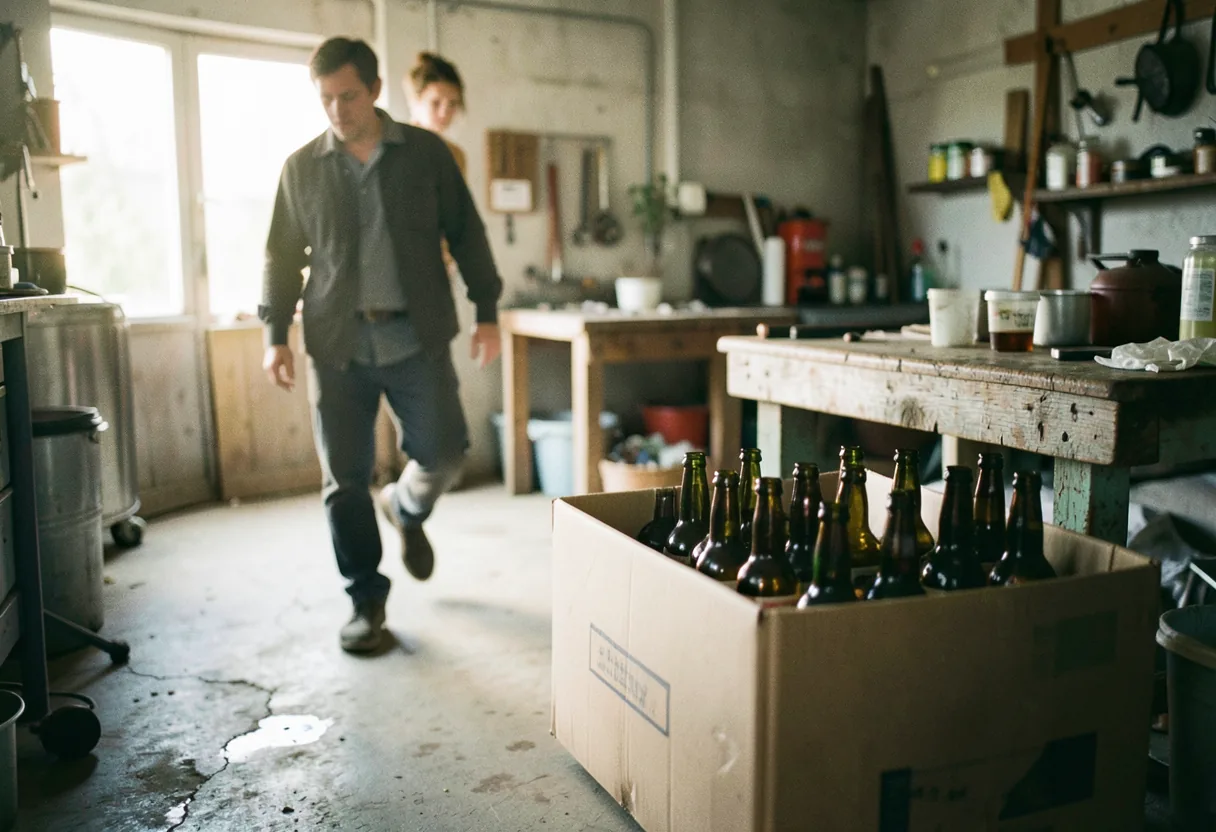
The best beer bottles for home brewing
Flip-top bottles
Flip-top bottles, also known as swing-top bottles, are a favorite among homebrewers for their convenience. Brands like Grolsch and Veltins are readily available and can be reused multiple times. However, the rubber seals can degrade over time, leading to leaks or flat beer.
Best for: Homebrewers who want a reusable, no-fuss option and are willing to invest more upfront.
Drawback: The rubber seals require regular checks and replacements, adding to the long-term cost.
Conventional capped bottles
Conventional capped bottles are the traditional choice. They’re widely available, often for free if you collect them from commercial beers. However, they require a bottle capper and new caps for each batch. Brands like Ball and Mason are common choices, but any standard beer bottle will do as long as it’s sanitized and intact.
Best for: Beginners or those on a budget who don’t mind the extra step of capping.
Drawback: The ongoing cost of purchasing new caps can add up over time.
How to choose
- Budget: Consider your initial investment and ongoing costs. Flip-top bottles cost more upfront but may save money in the long run if well-maintained.
- Convenience: Flip-top bottles offer ease of use, while conventional capped bottles require an extra step.
- Availability: Conventional capped bottles are widely available, while flip-top bottles may need to be ordered online.
- Durability: Conventional capped bottles are more durable, while flip-top bottles require regular seal checks.
Best practices for beer bottles
Regardless of the type of bottle you choose, proper cleaning and sanitization are crucial. Always inspect bottles for cracks or chips before use, and never reuse bottles that held non-beer beverages, as flavors can transfer. For a detailed guide on cleaning and sanitizing, check out our step-by-step breakdown.
Bottle storage and organization
Storing your beer bottles properly is just as important as choosing the right type. A well-organized storage system can save space and make bottling day a breeze. Here are some tips:
- Use a dedicated space: Designate a specific area for your empty bottles to avoid mixing them with other glassware.
- Stack carefully: Store bottles upside down on a bottle tree or in a box with dividers to prevent chipping.
- Label and date: Keep track of your bottles’ age and condition to ensure they’re always ready for use.
Bottle storage options
For a deeper dive into home brewing, consider checking out some of the best books on the subject. They offer invaluable insights and techniques from experienced brewers.
Specialty beer bottles
Beyond the standard flip-top and conventional capped bottles, there are specialty options designed for specific brewing needs. These bottles can add a unique touch to your homebrewing experience and are often used for specific styles of beer.
For example, the Boudwezer bottle is a popular choice for Belgian-style ales. These bottles have a unique shape and often come with a cork and cage closure, adding an authentic touch to your brewing process. However, they require a special corking tool and may not be as readily available as other options.
Best for: Homebrewers looking to experiment with different beer styles and willing to invest in specialty equipment.
Drawback: The additional cost and specialized tools required can be a barrier for some brewers.
Eco-friendly beer bottles
As sustainability becomes increasingly important, many homebrewers are turning to eco-friendly beer bottles. These bottles are often made from recycled materials or designed for multiple uses, reducing waste and environmental impact.
The EcoVessel bottle is a notable example. Made from stainless steel, these bottles are durable, reusable, and can keep your beer cold for hours. However, they are more expensive than traditional glass bottles and may not be suitable for all brewing styles.
Best for: Environmentally conscious brewers who prioritize sustainability and are willing to invest in higher-quality materials.
Drawback: The higher cost and potential limitations in brewing styles can be a drawback for some.
Eco-friendly options comparison
Remember, the right beer bottles for home brewing are the ones that fit your brewing style, budget, and convenience preferences. Whether you choose flip-top or conventional capped bottles, proper care and storage will ensure they serve you well for many batches to come.
Now that you’re equipped with the knowledge to choose the right bottles, it’s time to dive into the brewing process itself. Happy brewing!
The first time I really looked at the Charles Paz Storch & Son Brewery collection of vintage beer bottles, I was struck by how much design has evolved. Modern bottles balance aesthetics and function, just like those historic pieces. Keep that in mind as you choose your bottles, your beer deserves to look as good as it tastes.
Frequently asked questions
What are the most common beer bottle sizes for home brewing?
Standard beer bottles come in 12 oz, 16 oz, and 22 oz sizes. The 12 oz bottle is most common in the U.S., often used for lagers and ales. The 22 oz bomber is popular for craft beers, while the 16 oz is less common but sometimes used for specialty brews.
Why do some beer bottles have pry-off caps instead of twist-offs?
Pry-off caps create a better seal, preserving carbonation longer. Many commercial breweries use them to ensure freshness. Twist-offs are more convenient but can lead to faster carbonation loss. Home brewers often prefer pry-offs for aging beers.
How do I ensure my beer bottles are clean before reuse?
Soak bottles in a solution of 1 oz of oxygen-based cleaner per gallon of hot water. Use a bottle brush to scrub inside. Rinse thoroughly. For sterilization, use a no-rinse sanitizer like Star San. This process removes yeast and bacteria residue.
Can I use wine bottles for home brewing?
Yes, but they need proper caps and corking tools. Wine bottles are thicker and can handle higher carbonation pressure. However, they are less common for standard beers. Ensure bottles are clean and sanitized. Specialty corks for beer exist, but screw caps are more practical.