
Home brewing non-alcoholic beer involves fermenting with specialized yeast strains like Lalvin QA23 or BrewCraft NA, which minimize alcohol production. Use 100% malt extracts or grains, and maintain a controlled fermentation temperature around 68-72°F (20-22°C). Brewers often use techniques like vacuum fermentation or reverse osmosis to reduce alcohol content further.
Home brewing non-alcoholic beer is the process of creating beer-like beverages at home without the fermentation that produces alcohol.
Think of it like baking soda bread instead of yeast bread, you get the structure and flavor without the rise, and here you get the taste without the alcohol.
Key facts
- Home brewing non-alcoholic beer typically involves boiling wort and adding natural flavors instead of fermenting with yeast.
- Popular non-alcoholic beer styles include root beer, ginger beer, and hop-infused sodas.
- The process can be done with basic kitchen equipment or specialized brewing kits.
- Non-alcoholic brewing allows for experimentation with spices, fruits, and herbs for unique flavors.
Why brew non-alcoholic beer at home?
The first time I really looked at non-alcoholic beer recipes, I was struck by the creativity involved. Unlike traditional brewing, which relies on yeast and fermentation, non-alcoholic brewing opens up a world of possibilities. You can create refreshing, complex flavors without the need for alcohol. This makes it a great option for those who want to enjoy beer-like beverages without the effects of alcohol, or for designated drivers and pregnant individuals who still want to partake in social drinking occasions.
Home brewing non-alcoholic beer also offers a cost-effective way to experiment with different flavors and styles. Store-bought non-alcoholic beers can be expensive, and the selection is often limited. By brewing at home, you can tailor each batch to your specific tastes, whether you prefer a sweet, fruity flavor or a bold, hoppy one.
Additionally, home brewing non-alcoholic beer can be a fun and rewarding hobby. It allows you to explore the art of brewing without the complexity of fermentation and alcohol content management. You can even involve friends and family in the process, making it a social and educational activity.
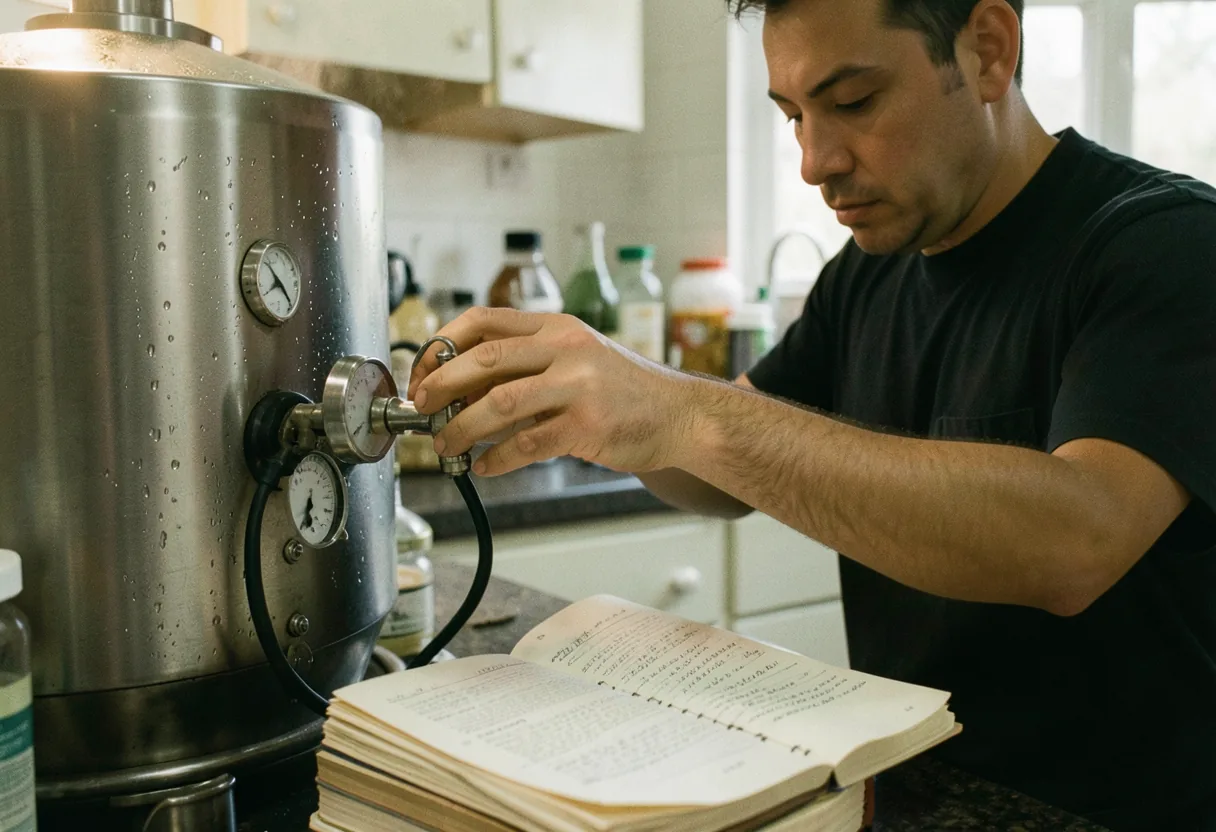
Essential equipment for home brewing non-alcoholic beer
To get started with home brewing non-alcoholic beer, you’ll need some basic equipment. A large pot for boiling wort, a fine mesh strainer for removing solids, and airtight containers for storage are essential. You may also want to invest in a hydrometer to measure the specific gravity of your brew, although this is less critical than in traditional brewing since you’re not concerned with alcohol content.
For those looking to take their brewing to the next level, specialized equipment like a brew kettle with a spigot, a wort chiller, and fermentation vessels can be useful. These tools can help streamline the brewing process and improve the quality of your final product. However, they are not strictly necessary for beginners.
Many home brewers start with basic kitchen equipment and gradually invest in more specialized tools as they gain experience and confidence. This incremental approach allows you to explore the hobby without a significant upfront investment.
Techniques for home brewing non-alcoholic beer
One of the most popular techniques for home brewing non-alcoholic beer is decoction. This involves boiling a portion of the wort to extract sugars and flavors from the grains. The boiled portion is then returned to the main batch, creating a rich, malty flavor. This technique is often used in traditional beer brewing but can be adapted for non-alcoholic beverages.
Another technique is cold brewing, which involves steeping grains in cold water to extract flavors without boiling. This method is gentler and can produce a smoother, more nuanced flavor profile. Cold brewing is often used for creating non-alcoholic beers with a lighter body and subtle flavors.
For those looking to add unique flavors, infusion techniques can be highly effective. By adding fruits, herbs, or spices to the wort during the brewing process, you can create complex and interesting flavor profiles. For example, adding a handful of fresh mint leaves during the last 10 minutes of boiling can impart a refreshing, herbal note to your non-alcoholic beer.
Recipes and flavor combinations
One of the most exciting aspects of home brewing non-alcoholic beer is the ability to experiment with different flavors and ingredients. A popular recipe involves brewing a ginger beer base using fresh ginger root, sugar, and lemon juice. The ginger root is peeled and grated, then steeped in hot water to extract its flavors. The mixture is then strained and combined with sugar and lemon juice to create a tangy, spicy beverage.
Another favorite is a hop-infused soda, which can be created by boiling water with a small amount of malt extract and adding hops for bitterness and aroma. This recipe can be customized with different hop varieties to achieve a range of flavors, from floral and citrusy to piney and earthy. For example, using Cascade hops can impart a citrusy, floral aroma, while using Chinook hops can add a more piney, spicy note.
For those who prefer a sweeter, fruitier beverage, a raspberry-infused non-alcoholic beer can be a delicious option. Fresh or frozen raspberries are mashed and steeped in hot water to extract their juices and flavors. The mixture is then strained and combined with sugar and a small amount of malt extract to create a sweet, tangy beverage with a vibrant red color.
Tips for successful home brewing non-alcoholic beer
Consistency is key when it comes to home brewing non-alcoholic beer. Measuring your ingredients accurately and following your recipe closely can help ensure that each batch turns out as expected. Investing in a kitchen scale can be a game-changer, as it allows you to measure ingredients by weight rather than volume, which can be more precise.
Cleanliness is also crucial. While non-alcoholic brewing doesn’t require the same level of sanitation as traditional brewing, keeping your equipment clean can help prevent off-flavors and contaminants from ruining your batch. Washing your equipment with hot, soapy water and rinsing it thoroughly before each use can go a long way in ensuring a successful brew.
Finally, don’t be afraid to experiment. Home brewing non-alcoholic beer is all about exploring different flavors and techniques. Try out new recipes, adjust ingredient ratios, and see what works best for you. Keep notes on each batch so you can track what you’ve tried and what you’d like to try next. This will help you refine your brewing skills and create beverages that you truly enjoy.
Common mistakes to avoid when home brewing non-alcoholic beer
One common mistake when home brewing non-alcoholic beer is overboiling the wort. Boiling for too long can concentrate the flavors and sugars too much, resulting in a bitter or overly sweet beverage. Aim to boil your wort for 30-45 minutes, depending on your recipe and desired flavor profile.
Another mistake is not allowing enough time for the flavors to meld. Non-alcoholic beers often benefit from a period of aging, during which the flavors can meld and mellow. Rushing this process can result in a beverage that tastes harsh or unbalanced. Plan to age your non-alcoholic beer for at least a few days, if not a week or more, before enjoying it.
Finally, be careful not to overdo it with the additives. While fruits, herbs, and spices can add delicious flavors to your non-alcoholic beer, using too much can overwhelm the other ingredients and create an unbalanced beverage. Start with small amounts and adjust to taste, keeping in mind that the flavors will intensify as the beverage ages.
Resources for home brewing non-alcoholic beer
For those looking to expand their knowledge and skills in home brewing non-alcoholic beer, there are plenty of resources available. Books like “Brewing Non-Alcoholic Beer” by Stephen Harrison offer in-depth guidance on techniques, recipes, and equipment. Online forums and communities, such as the [Home Brewers Association](https://en.wikipedia.org/wiki/Beer_Judge_Certification_Program), can provide support, advice, and inspiration from experienced brewers. Additionally, platforms like YouTube offer a wealth of video tutorials and demonstrations, allowing you to learn from experts in a visual format.
The best non-alcoholic beer styles to brew at home
Step-by-step guide to brewing non-alcoholic ginger beer
- Peel and grate 1 cup of fresh ginger root.
- Steep the grated ginger in 4 cups of hot water for 10 minutes.
- Strain the mixture to remove the ginger solids.
- Add 1 cup of sugar to the strained liquid and stir until dissolved.
- Add the juice of 2 lemons and stir well.
- Let the mixture cool to room temperature.
- Pour the mixture into airtight containers and let it ferment at room temperature for 2-3 days.
- Refrigerate the ginger beer to stop the fermentation process.
- Serve chilled over ice.
Experimenting with different flavors
Home brewing non-alcoholic beer is a rewarding and creative hobby that allows you to explore a wide range of flavors and techniques. By following the tips and recipes outlined in this guide, you can create delicious, refreshing beverages that you and your friends and family will love. So grab your brewing equipment, experiment with different ingredients, and enjoy the process of crafting your own non-alcoholic beers.
Frequently asked questions
What base ingredients are essential for brewing non-alcoholic beer?
You’ll need malted barley, hops, yeast, and water. Unlike alcoholic beer, non-alcoholic versions use malt extract or special enzymes to limit alcohol production. For example, some brewers use amyloglucosidase to convert complex sugars into fermentable ones without excess alcohol. Yeast selection matters too; strains like Saccharomyces cerevisiae var. ellipsoideus are common in low-alcohol brews.
How does the boiling process differ for non-alcoholic beer?
The boil lasts 60-90 minutes, similar to traditional beer, but the wort (unfermented beer) is often boiled longer to evaporate more alcohol. Some brewers use a technique called 'boil-off' to reduce alcohol content. For instance, boiling an extra 15 minutes can cut alcohol by about 0.1% ABV. Hops are added later to preserve aroma without adding bitterness.
What methods can remove alcohol from beer effectively?
Common techniques include vacuum distillation, reverse osmosis, or spinning cone column (SCC) systems. Vacuum distillation operates at lower temperatures, preserving flavor. For example, SCC systems, used by commercial breweries like BrewDog, can reduce alcohol to 0.5% ABV while retaining taste. Homebrewers might use a rotary evaporator for smaller batches, though it’s less common.
How do you ensure non-alcoholic beer has good flavor without alcohol?
Focus on quality malt and hops. Roasted malts add depth, while citrusy hops like Cascade balance sweetness. Some brewers add fruit or spices post-fermentation. For instance, adding 50 grams of orange peel per 5 gallons can introduce a refreshing note. Cold-steeping hops during fermentation can also enhance aroma without bitterness.