
Brewing root beer at home involves simmering ingredients like sassafras, sarsaparilla, and wintergreen for 20 minutes. Strain the mixture, add sugar, and ferment with yeast for 1-2 days. Carbonate by bottling with a bit of sugar or use a soda maker.
Brewing root beer at home is the process of crafting a non-alcoholic soda by fermenting natural ingredients like sassafras root, licorice root, and wintergreen berries.
Think of brewing root beer at home like making a homemade fruit punch, but instead of mixing pre-made juices, you’re creating your own unique blend of herbs and spices, then letting nature’s fermentation process add a touch of fizz.
Key facts
- Root beer is traditionally made using sassafras root, which contains the compound safrole; modern recipes often substitute sassafras with safer alternatives like sassafras-free root beer extracts.
- The fermentation process for root beer is typically shorter than that of alcoholic beer, lasting between 24 and 48 hours.
- Homebrewed root beer usually contains around 2% alcohol by volume (ABV), but this can vary depending on the recipe and fermentation time.
- Root beer was originally created by Native Americans and later popularized by early American settlers.
What You Need to Brew Root Beer at Home
The first time I really looked at a root beer brewing kit, I was struck by how similar the ingredients were to those used in alcoholic beer brewing. To brew root beer at home, you’ll need a few key ingredients and pieces of equipment.
Ingredients typically include water, sugar, root beer extract or a blend of herbs and spices (such as sassafras-free root beer extract, licorice root, wintergreen berries, and sarsaparilla), and yeast (such as champagne yeast or brewers yeast). Equipment includes a brewing pot, fermenter, airlock, siphon, bottles, and a bottle capper.
One popular choice for homebrewers is the Mr. Beer kit, which provides a simple and affordable way to get started. For those looking for a more traditional approach, a basic brewing setup from a homebrew supply store will work just fine.
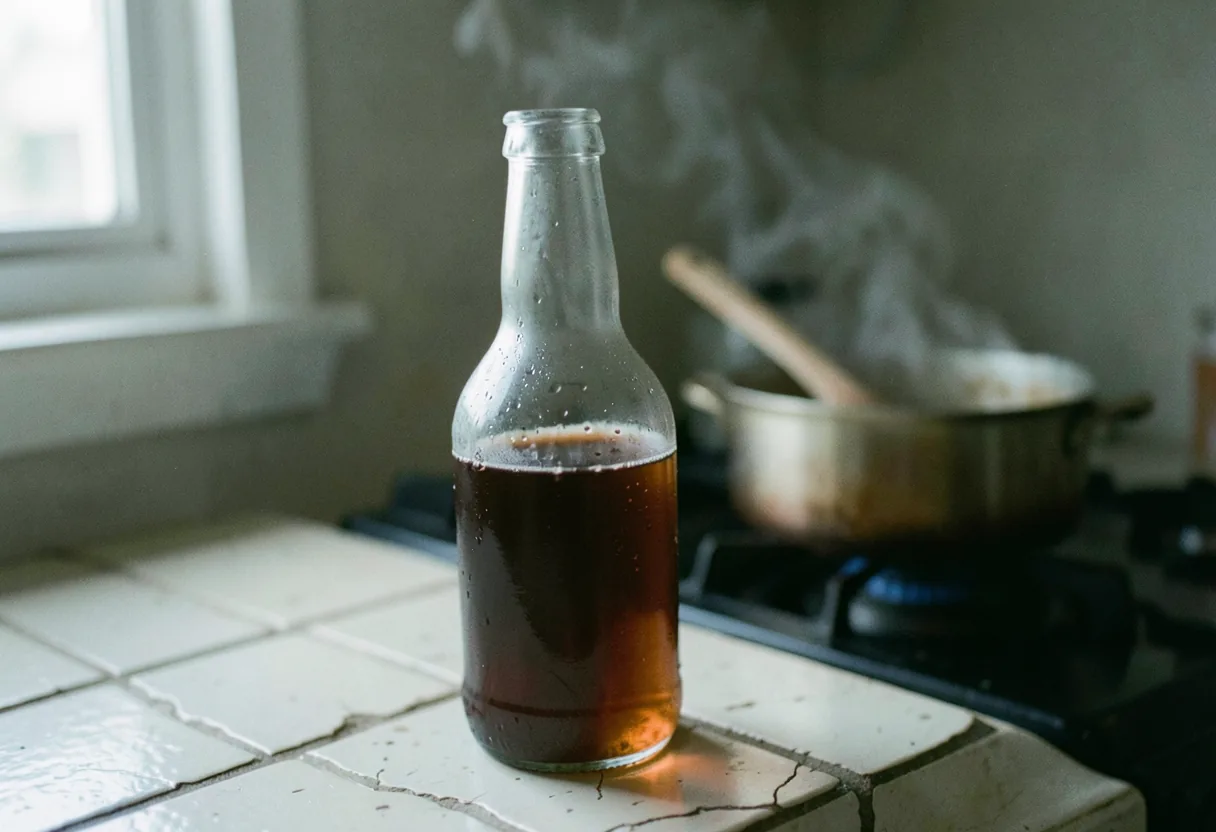
Step-by-Step Guide to Brewing Root Beer at Home
Brewing root beer at home involves several steps, from preparing the ingredients to bottling the final product.
First, dissolve the sugar in water in a brewing pot. Next, add the root beer extract or blend of herbs and spices, and bring the mixture to a boil. After boiling, let the mixture cool to room temperature. Once cooled, transfer the mixture to a fermenter and add the yeast. Attach an airlock to the fermenter and let the mixture ferment for 24 to 48 hours at room temperature.
After fermentation, siphon the root beer into bottles, leaving about 1 to 2 inches of headspace. Cap the bottles and let them sit at room temperature for an additional 24 to 48 hours to allow carbonation to develop. Finally, refrigerate the root beer to stop the fermentation process and enjoy your homemade creation.
Customizing Your Home-Brewed Root Beer
One of the joys of brewing root beer at home is the ability to customize the flavor to your liking.
For a sweeter root beer, you can increase the amount of sugar in the recipe or add additional sweeteners like honey or maple syrup. For a spicier root beer, consider adding a pinch of cayenne pepper or a few drops of hot sauce. You can also experiment with different blends of herbs and spices to create unique flavor profiles.
For example, adding a small amount of vanilla extract can give your root beer a creamy, smooth flavor. Alternatively, adding a few drops of peppermint extract can give your root beer a refreshing, minty taste. The possibilities are endless, and the best way to find your perfect flavor is to experiment and have fun.
Brewing Root Beer at Home vs. Commercial Root Beer
There are several key differences between brewing root beer at home and purchasing commercial root beer.
Safety Tips for Brewing Root Beer at Home
While brewing root beer at home is generally safe, there are a few precautions you should take to ensure a successful and enjoyable brewing experience.
First and foremost, always use food-grade ingredients and equipment to avoid contamination. Be sure to sanitize all equipment thoroughly before use to prevent the growth of harmful bacteria. Additionally, always follow the recipe instructions carefully to avoid over-fermentation, which can lead to excessive alcohol content or explosive bottles.
It’s also important to store your root beer properly. Once bottled, store your root beer in a cool, dark place for 24 to 48 hours to allow carbonation to develop. After this initial period, refrigerate your root beer to stop the fermentation process and preserve its flavor. Finally, always check your bottles for signs of over-carbonation, such as bulging or leaking, and dispose of any suspicious bottles immediately.
Troubleshooting Common Issues
Even with the best intentions, things can go wrong when brewing root beer at home. Here are a few common issues and how to troubleshoot them.
If your root beer is too sweet, try reducing the amount of sugar in the recipe or increasing the fermentation time to allow the yeast to consume more sugar. If your root beer is too bland, consider adding more root beer extract or experimenting with different blends of herbs and spices. If your root beer is too flat, check that your bottles are properly sealed and that the fermentation process has completed fully.
If you encounter any other issues, don’t be afraid to reach out to the homebrewing community for advice. There are many online forums and resources available, such as the Top Home Brewing Beer Recipes for Every Palate or Understanding Home Beer Brewing Ingredients, where you can connect with experienced brewers and get the help you need.
Exploring Different Root Beer Styles
Root beer is a versatile beverage that can be enjoyed in many different styles.
One popular style is cream soda root beer, which is made by adding cream or milk to the root beer recipe. This gives the root beer a rich, creamy flavor and a smooth texture. Another popular style is ginger root beer, which is made by adding fresh ginger to the root beer recipe. This gives the root beer a spicy, zesty flavor that pairs well with sweet and savory dishes.
You can also explore regional styles of root beer, such as the classic American root beer or the unique flavors found in Canadian and European root beers. For example, the Brewing Ginger Beer at Home: Spicy & Refreshing offers a spicy and refreshing alternative to traditional root beer.
Brewing Root Beer at Home for Special Occasions
Brewing root beer at home can be a fun and memorable activity for special occasions, such as birthdays, holidays, or family gatherings.
For a unique twist on a classic favorite, try brewing root beer in a traditional beer brewing kit, such as the Why a Beer Brewing Kit Is the Smart Start. This can add an extra layer of complexity to the flavor and make for a impressive presentation.
You can also create custom labels for your root beer bottles, featuring your own designs or personalized messages. This can make your root beer a memorable and sentimental gift for friends and family. Additionally, consider serving your root beer with homemade ice cream or other desserts for a delicious and festive treat.
Join the Homebrewing Community
Brewing root beer at home is not only a fun and rewarding hobby, but it’s also a great way to connect with a vibrant and passionate community of homebrewers.
Consider joining a local homebrewing club or attending a homebrewing competition to showcase your skills and learn from others. You can also connect with other homebrewers online through forums, social media groups, or virtual events. Sharing your experiences and learning from others can help you improve your brewing skills and discover new and exciting recipes.
Whether you’re a seasoned homebrewer or just starting out, the homebrewing community is a welcoming and supportive place to be. So grab your brewing equipment, gather your ingredients, and get ready to join the sweet tradition of brewing root beer at home.
Don’t forget to experiment with different ingredients and techniques to find your perfect flavor, and always prioritize safety and proper storage to ensure a successful and enjoyable brewing experience.
Frequently asked questions
What are the key ingredients for making root beer at home?
The essential ingredients include sassafras root bark, which gives root beer its signature flavor, but avoid sarsasapogenin, a toxic compound found in sassafras. Modern recipes often use sassafras-free extracts. You'll also need sugar or alternative sweeteners, yeast for fermentation, and carbonated water for fizz. Some recipes add wintergreen, licorice root, or vanilla for depth.
How long does it take to brew root beer at home?
The process varies but typically takes 2-3 days for fermentation. After mixing the ingredients, the liquid ferments for 1-2 days at room temperature. Once bottled, it ferments another 24 hours. For a smoother taste, refrigerate for 1-2 days before serving. Total time from start to finish is about 4-5 days.
What equipment do I need to brew root beer at home?
Basic equipment includes a large pot for boiling the brew, a fermentation vessel like a glass carboy, airlocks to release CO2, and plastic bottles for carbonation. You'll also need a sanitizer, funnel, and measuring cups. For a small batch, a 1-gallon container suffices. Cleanliness is critical to avoid contamination.
Can I make root beer without alcohol?
Yes, non-alcoholic root beer is achievable by controlling fermentation. Use a small amount of yeast and monitor the process closely. Stop fermentation early by refrigerating the mixture. Alternatively, use root beer extracts and carbonated water for an instant, alcohol-free version. Commercial root beers often use artificial sweeteners and flavors to avoid alcohol.