
Home brewing beer kegs start at $80 for 5-gallon stainless steel models like Corny kegs. Popular brands include Ball Lock and Pin Lock, both reusable. Clean with PBW solution, sanitize with Star San, then fill. Check local laws for homebrew keg regulations.
Home brewing beer kegs are pressurized containers designed to store and dispense homemade beer, allowing for carbonation and easy serving. In plain terms: Think of them as the can or bottle of your homebrewed beer, but with a tap and the ability to keep your beer fresh for much longer, like having your own beer fountain that never runs dry.
Key facts
- Beer kegs for home brewing come in sizes ranging from 2.5 gallons (small kegs) to 15.5 gallons (standard Cornelius kegs).
- They require a CO₂ tank and regulator to properly carbonate and dispense beer.
- Kegs can be reused multiple times if properly cleaned and sanitized.
- Popular keg brands for homebrewers include Cornelius kegs, Ball Lock kegs, and Pin Lock kegs.
Types of Home Brewing Beer Kegs
The first time I really looked at home brewing kegs, I realized there are two main types: Cornelius kegs (also known as Corny kegs) and commercial-grade kegs. Cornelius kegs are the most popular among homebrewers due to their smaller size and ease of use, while commercial-grade kegs are larger and more durable but also more expensive.
Key Differences
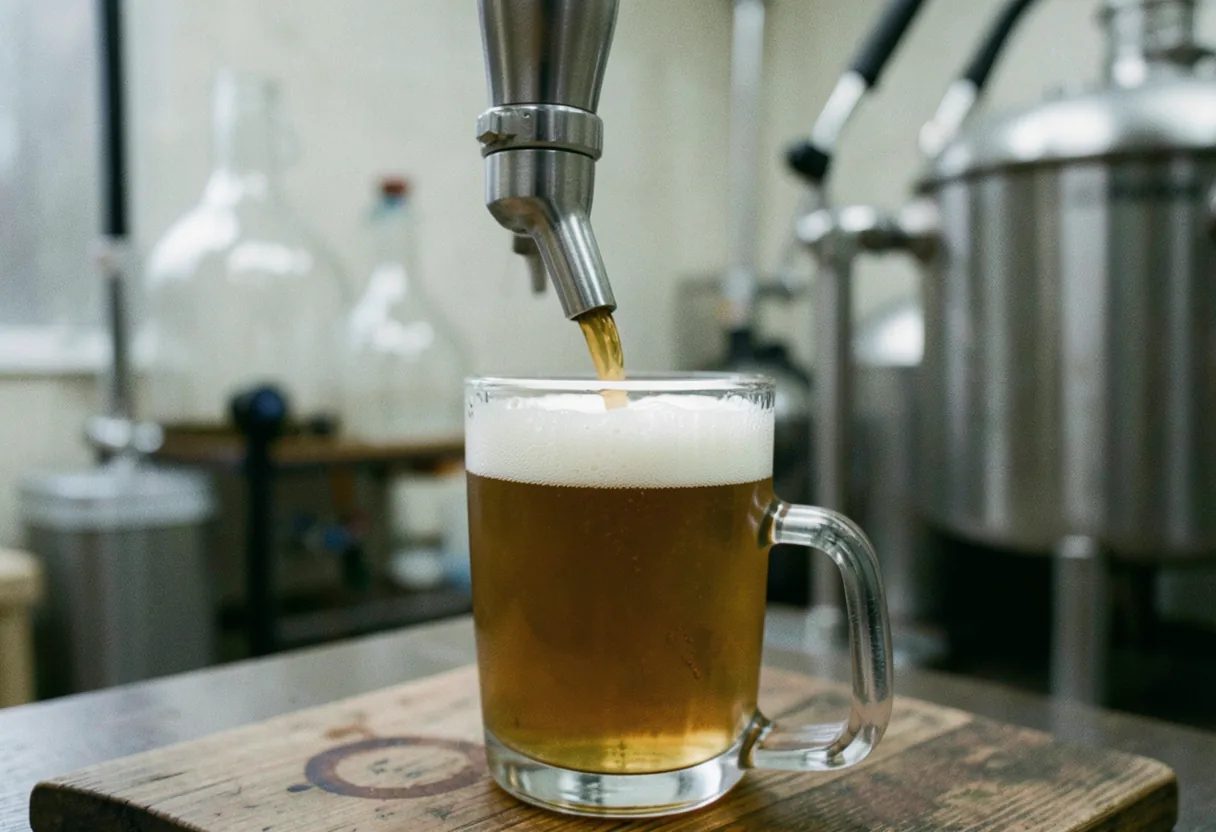
Cornelius Kegs
Cornelius kegs are the go-to choice for most homebrewers. They are lightweight, easy to clean, and come in two main types: Ball Lock and Pin Lock. Ball Lock kegs use ball-shaped connectors, while Pin Lock kegs use pin-shaped connectors. The choice between the two often comes down to personal preference or the specific equipment you already own.
The main drawback of Cornelius kegs is their smaller size, which means you’ll need to refill them more frequently if you’re brewing large batches.
Commercial-Grade Kegs
Commercial-grade kegs are larger and more durable than Cornelius kegs, making them a good option for serious homebrewers or small breweries. They are often made of stainless steel and can hold up to 15.5 gallons of beer. These kegs are more expensive than Cornelius kegs but can last for many years with proper care.
The main drawback of commercial-grade kegs is their size and cost. They require more space and a larger initial investment, which may not be practical for casual homebrewers.
How to Choose Home Brewing Beer Kegs
- Size: Consider how much beer you plan to brew and store. If you’re brewing small batches, a 2.5 to 5-gallon Cornelius keg may be sufficient. For larger batches, a commercial-grade keg may be more appropriate.
- Type: Decide between Ball Lock and Pin Lock Cornelius kegs based on your existing equipment and personal preference. For commercial-grade kegs, ensure you have the necessary space and budget.
- Durability: Think about how often you plan to use the keg and how long you want it to last. Cornelius kegs are moderately durable and more affordable, while commercial-grade kegs are built to last but come at a higher cost.
- Budget: Determine how much you’re willing to spend on a keg. Cornelius kegs are generally more affordable, while commercial-grade kegs require a larger investment.
Essential Equipment
In addition to the keg itself, you’ll need a few other pieces of equipment to properly use home brewing beer kegs. These include a CO₂ tank and regulator, keg couplers, beer lines, and a kegerator or draft system. You can find these items at specialized home brewing supply stores or online retailers like Home Brew Authority Store. For a more automated setup, consider exploring home brewing machine beer options.
Cleaning and Maintenance
Proper cleaning and maintenance are crucial to ensure the longevity and performance of your home brewing beer kegs. Always clean and sanitize your keg thoroughly after each use to prevent contamination. Regularly inspect your keg for any signs of damage, such as leaks or corrosion. For more detailed guidance on maintaining your brewing equipment, refer to our guide on essential home brewing beer equipment.
Popular Home Brewing Beer Keg Brands
When choosing home brewing beer kegs, consider brands like Cornelius Kegs, KegLand, and MoreBeer!. Cornelius Kegs offer a range of sizes and types, making them a versatile choice for homebrewers. KegLand provides high-quality Cornelius kegs at competitive prices. MoreBeer! offers both Cornelius and commercial-grade kegs, catering to a variety of brewing needs.
For a comprehensive overview of the best home brewing systems, check out our comparison of top beer home brewing systems. If you’re new to home brewing and looking for a complete setup, explore our ultimate guide to home beer brewing kits.
Investing in the right home brewing beer kegs can significantly enhance your brewing experience. Whether you choose Cornelius kegs for their convenience and affordability or commercial-grade kegs for their durability and capacity, ensure you have the necessary equipment and knowledge to use them effectively. Happy brewing!
Frequently asked questions
What equipment do I need to start kegging my homebrew?
You'll need a keg, a CO2 tank, a regulator, and tubing. A 5-gallon Cornelius keg costs around $100 used. The CO2 tank is often rented or purchased new for about $150. The regulator ensures proper pressure, typically around $60. Tubing connects everything and is inexpensive. Sanitation is key; use Star San solution for cleaning.
How do I carbonate beer in a keg?
Set the regulator to 10-12 PSI for ale and 12-14 PSI for lager. Keep the keg at 38-40°F. It takes about 7-14 days for full carbonation. Use a pressure relief valve to check carbonation levels. For quicker results, force carbonate by shaking the keg gently.
What’s the best way to transfer beer into a keg?
Use a siphon or pump to transfer beer from the fermenter to the keg. Ensure the keg is sanitized first. Leave about 2 inches of headspace to avoid overflow. If using a pump, avoid aerating the beer to prevent oxidation. A CO2 purge before transferring helps minimize oxygen exposure.
How do I maintain and clean my beer keg?
After each use, disconnect the keg and empty any remaining beer. Rinse with hot water, then sanitize with a solution like Star San. Disassemble the keg to clean the dip tube and poppet valve. Use a keg bead cleaner for hard-to-reach areas. Store the keg in a cool, dry place to prevent contamination.