
Starter kits like the Mr. Beer Complete Homebrew Starter Kit cost around $50 and include fermenter, bottles, and ingredients. For upgrading, consider a 6.5-gallon fermenter like the Better Bottle for $40. Essential tools are auto-siphon ($15) and hydrometer ($10) for tracking gravity.
home brewing beer equipment refers to the tools and vessels needed to brew beer at home, from fermentation to bottling.
think of home brewing beer equipment as the orchestra for your beer symphony: without the right instruments (like a kettle or fermenter), you can’t conduct the process that turns grains and hops into liquid gold.
Key facts
- Home brewing beer equipment ranges from basic kits for beginners to advanced setups for experienced brewers.
- Essential equipment includes a brew pot, fermenter, airlock, thermometer, and sanitizer.
- Investing in quality equipment can significantly improve the consistency and taste of your home-brewed beer.
- The cost of home brewing beer equipment varies widely, from under $100 for beginner kits to over $1,000 for professional-grade setups.
Types of Home Brewing Beer Equipment
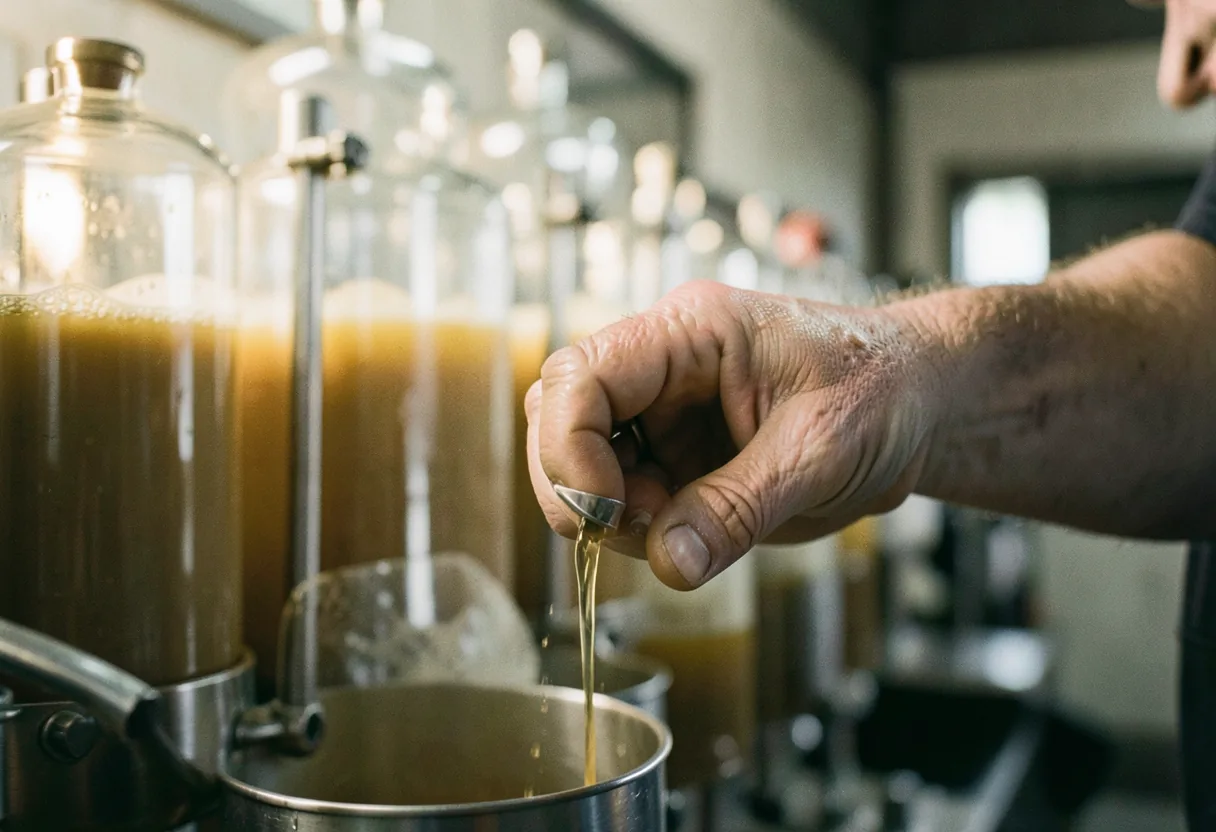
Basic Home Brewing Beer Equipment
Basic home brewing beer equipment is ideal for beginners who want to try their hand at brewing without a significant upfront investment. These kits typically include all the essential items needed to brew a small batch of beer, usually around 1-2 gallons.
The first time I really looked at a basic brewing kit, I was struck by how compact and straightforward it was. The simplicity made it easy to dive in without feeling overwhelmed. However, the drawback is that these kits often limit creativity and scalability. As your brewing skills improve, you may quickly outgrow the basic equipment and need to upgrade to more advanced tools.
Intermediate Home Brewing Beer Equipment
Intermediate home brewing beer equipment is designed for brewers who have moved beyond the basics and want to experiment with more complex recipes and techniques. These setups typically include larger fermenters, more precise temperature control, and additional equipment like wort chillers.
Intermediate kits offer a good balance between cost and functionality, allowing brewers to produce higher-quality beer with more consistent results. However, the initial investment is higher, and the learning curve can be steeper for those new to brewing. For example, the Northern Brewer Deluxe Brew Bucket Kit is a popular choice among intermediate brewers, offering a 6.5-gallon fermenter and other essential tools.
Advanced Home Brewing Beer Equipment
Advanced home brewing beer equipment is for serious brewers who want professional-grade results. These setups often include specialized equipment like conical fermenters, temperature controllers, and all-grain brewing systems. They can handle larger batches and allow for more precise control over the brewing process.
While advanced equipment can produce exceptional beer, it comes with a higher price tag and requires a deeper understanding of the brewing process. For instance, the Speidel Plastic Uni-Conical Fermenter is a favorite among advanced brewers for its durability and efficiency. However, the complexity and cost may be prohibitive for beginners.
Comparison of Home Brewing Beer Equipment
How to Choose Home Brewing Beer Equipment
- Budget: Determine how much you’re willing to spend on equipment. Basic kits are the most affordable, while advanced setups require a larger investment.
- Batch Size: Consider how much beer you want to brew at a time. Larger batches require more equipment and space.
- Skill Level: Assess your brewing experience. Beginners may want to start with a basic kit, while experienced brewers can opt for more advanced equipment.
- Space: Ensure you have adequate space for brewing and storing equipment. Advanced setups can be bulky and require dedicated space.
- Goals: Think about your brewing goals. If you want to experiment with different styles and techniques, intermediate or advanced equipment may be more suitable.
Additional Equipment to Consider
When selecting home brewing beer equipment, it’s essential to consider your specific needs and goals. For beginners, starting with a basic kit can provide a solid foundation and help you learn the fundamentals of brewing. As you gain experience, you can gradually upgrade your equipment to achieve better results and explore more advanced techniques. Remember, the right equipment can make all the difference in the quality and consistency of your home-brewed beer.
For those interested in learning more about the history and techniques of brewing, the Beer Wikipedia page offers a comprehensive overview. Additionally, exploring different styles and recipes can inspire new ideas and help you refine your brewing skills.
Ultimately, the key to successful home brewing lies in understanding your equipment, experimenting with different techniques, and continually refining your craft. With the right tools and a passion for beer, you can create delicious, high-quality brews that rival those from professional breweries.
Frequently asked questions
What's the minimum equipment needed to start brewing beer at home?
You need a brewing kettle (at least 5 gallons), a fermenter (like a 6.5-gallon bucket with an airlock), a hydrometer to measure specific gravity, and basic sanitation supplies. Don’t skip the thermometer; fermentation temp matters. Sanitize everything, contamination ruins beer.
Why do I need a wort chiller?
A wort chiller cools your boiled wort quickly, reducing the risk of bacterial contamination. Without it, you’re stuck with an overnight cooling process. Immersion chillers (like the 50-foot copper coil) are cheap and effective. Speed matters, hot wort is a bacterial playground.
What’s the difference between plastic and glass carboy fermenters?
Plastic (like the 6.5-gallon bucket) is cheaper, lighter, and less likely to break. Glass (like a 5-gallon carboy) offers better clarity to monitor fermentation but is heavier and more fragile. Both work; choose based on budget and handling. Cleanliness is key, scrub both thoroughly.
How often should I replace my airlock?
Replace your airlock every 1-2 years. Over time, the rubber gasket can degrade, letting in contaminants. A 3-piece airlock is easy to disassemble and clean. If it’s cracked or smells off, toss it. Sanitize it before every use, don’t skip this step.