
Home beer brewing starts with sanitizing equipment, boiling water with malted barley, hops, and yeast. Ferment the mixture for 1-2 weeks, then bottle it. A basic 5-gallon batch needs 6.6 lbs of pale malt extract, 1 oz of hops, and a yeast packet.
Home beer brewing guide is a step-by-step resource that empowers individuals to craft their own beer at home, from selecting ingredients to fermenting and bottling.
Think of home brewing as baking bread, but with beer instead of loaves. Just as you’d measure flour, yeast, and water to create a loaf, you’ll combine malted grains, hops, yeast, and water to brew beer. The process transforms simple ingredients into something far more complex and rewarding.
Key facts
- Home brewing beer has been practiced for thousands of years, with evidence dating back to ancient Mesopotamia.
- The process involves four main steps: malting, mashing, boiling, and fermenting.
- Homebrewers can produce approximately 5 gallons of beer per batch using a standard 5-gallon beer brewing kit.
- In the United States, homebrewing is legal in all 50 states, thanks to the legalization of homebrewing in 1978.
Home beer brewing guide for beginners
Brewing beer at home starts with understanding the basic ingredients and equipment needed. Malted grains, such as barley, provide the sugars necessary for fermentation. Hops add bitterness and balance the sweetness of the malt, while yeast converts the sugars into alcohol and carbon dioxide. Water, the most critical ingredient, makes up about 90% of beer.
For beginners, a starter kit is highly recommended. These kits typically include a fermenter, airlock, siphon, and sanitizer. A popular choice is the “Mr. Beer Homebrew Starter Kit,” which simplifies the brewing process with pre-measured ingredients and easy-to-follow instructions. The first time I used a starter kit, I was amazed at how straightforward it was to create a drinkable beer in just a few weeks.
To brew beer without a kit, you’ll need to gather equipment like a large pot for boiling, a fermentation vessel, and bottles for storage. Sanitation is crucial, as any contaminants can ruin a batch. A common beginner mistake is skipping the sanitization step, leading to off-flavors or spoiled beer.
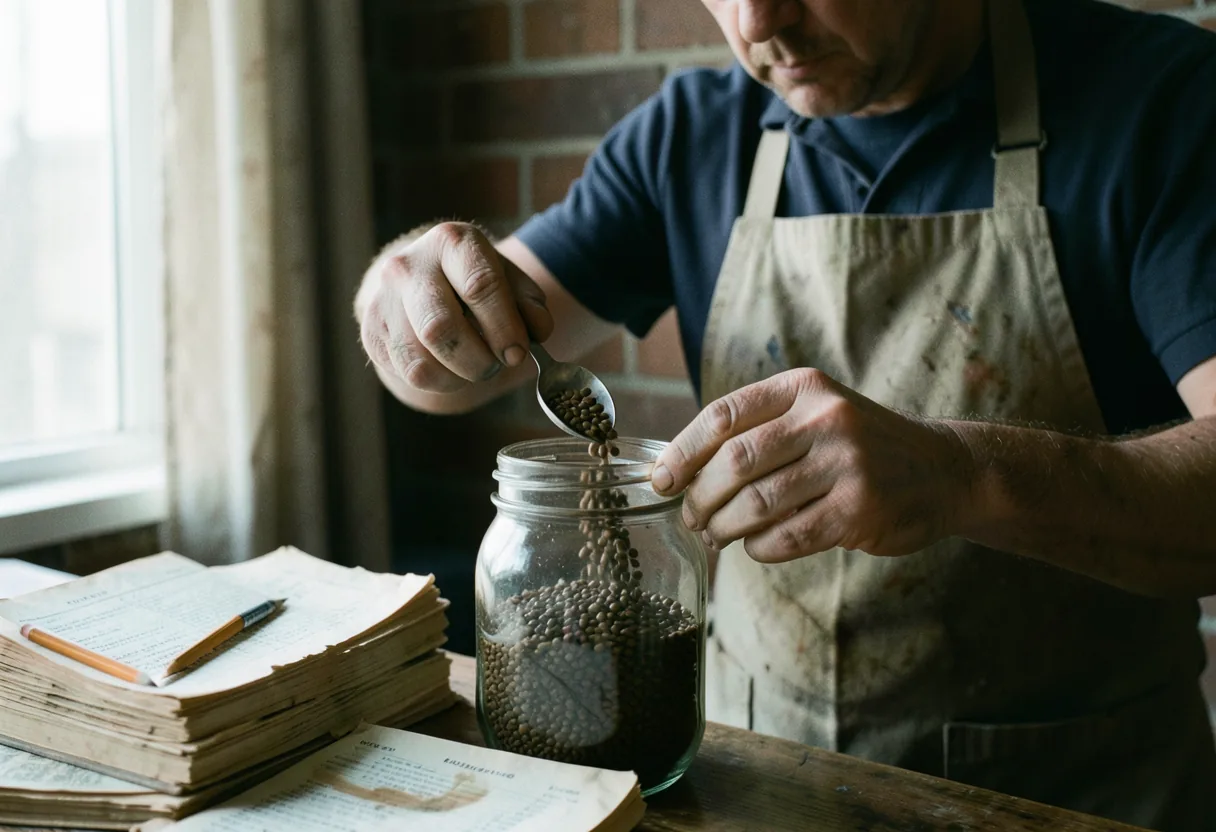
Beer brewing kit: Essential equipment
A beer brewing kit simplifies the home brewing process by providing all the necessary tools in one package. These kits range from basic starter sets to advanced systems for experienced brewers. A standard kit includes a fermenter, airlock, siphon, bottle filler, and sanitizer. More comprehensive kits may include a wort chiller, hydrometer, and thermometer.
The “Northern Brewer Deluxe Brew Bucket Kit” is a popular choice for beginners, offering a 6.5-gallon fermenter and essential brewing tools. For those looking to invest in a more advanced setup, the “Blichmann BrewEasy” provides a complete brewing system with a built-in burner and temperature control. These kits can be found online or at local homebrew supply stores.
When selecting a kit, consider your brewing goals and budget. Beginner kits are ideal for those new to homebrewing, while advanced kits offer more control and precision. Always ensure that the kit includes instructions and recipes to guide you through your first brew.
Best homemade beer recipe for beginners
One of the easiest and most rewarding recipes for beginners is a simple pale ale. This recipe uses basic ingredients and produces a flavorful beer that’s perfect for practicing the brewing process. Here’s a basic outline:
- Steep 1 pound of crystal malt in 2.5 gallons of water at 150°F for 20 minutes.
- Add 6 pounds of light malt extract and bring to a boil.
- Boil for 60 minutes, adding 1 ounce of hops at the start and 1 ounce at the 60-minute mark.
- Cool the wort to 70°F and transfer to a fermenter. Add yeast and ferment for 7-10 days.
- Bottle the beer and let it carbonate for 2 weeks before enjoying.
For a more detailed recipe, check out the “How to Brew” book by John Palmer, a comprehensive guide that covers everything from basic techniques to advanced brewing methods.
How to brew beer for beginners: Step-by-step guide
Brewing beer at home involves several key steps, each crucial to the final product. The first step is malting, where grains like barley are soaked, germinated, and dried to convert starches into fermentable sugars. This process can be done at home or you can purchase pre-malted grains.
Next comes mashing, where the malted grains are mixed with hot water to extract the sugars. This mixture, called mash, is held at a specific temperature to activate enzymes that convert starches into sugars. After mashing, the liquid, now called wort, is separated from the grains and boiled.
During the boil, hops are added to provide bitterness, flavor, and aroma. The length of the boil and the type of hops used will affect the final taste of the beer. After boiling, the wort is cooled and transferred to a fermenter, where yeast is added to begin fermentation.
Fermentation typically takes 7-14 days, during which the yeast converts the sugars into alcohol and carbon dioxide. Once fermentation is complete, the beer is bottled and conditioned for an additional 2 weeks to develop carbonation and flavor.
Making craft beer at home: Advanced techniques
For those looking to take their homebrewing to the next level, craft beer offers a world of possibilities. Experimenting with different yeast strains, specialty grains, and brewing techniques can produce unique and complex flavors. One popular advanced technique is dry hopping, where hops are added directly to the fermenter to enhance aroma.
Another advanced method is partial mash brewing, which combines malt extract with freshly mashed grains to create a more customized wort. This technique allows brewers to tailor the flavor profile of their beer by selecting specific grains and adjusting the mash temperature. For example, using a higher mash temperature can result in a fuller-bodied beer with more residual sugars.
To learn more about advanced brewing techniques, consider enrolling in a course or seminar. The American Homebrewers Association offers a variety of resources and events for homebrewers of all skill levels. Additionally, online forums and brewing communities provide a wealth of knowledge and support for those looking to expand their brewing horizons.
Home brewing guide: Ingredients and equipment
Understanding the ingredients and equipment used in home brewing is essential for producing high-quality beer. The four main ingredients are malted grains, hops, yeast, and water. Each ingredient plays a unique role in the brewing process and contributes to the final flavor of the beer.
In addition to these ingredients, homebrewers need a variety of equipment to brew beer successfully. A basic setup includes a fermenter, airlock, siphon, bottle filler, and sanitizer. More advanced setups may include a wort chiller, hydrometer, thermometer, and temperature control system. Investing in quality equipment can make the brewing process more efficient and enjoyable.
For those interested in expanding their brewing repertoire, consider exploring other fermented beverages like mead and cider. Mead, often referred to as “honey wine,” is made by fermenting honey with water and yeast. Cider, on the other hand, is produced by fermenting apple juice. Both mead and cider offer unique flavors and brewing challenges that can be rewarding for homebrewers.
Homebrew recipes and resources
Finding inspiration and recipes is an exciting part of home brewing. There are numerous resources available online, including blogs, forums, and recipe databases. The American Homebrewers Association website offers a wide range of recipes and brewing articles to help homebrewers of all skill levels.
For those looking to connect with other homebrewers, joining a local homebrew club or attending a seminar can provide valuable insights and support. These communities often host tastings, competitions, and educational events that cater to brewers of all experience levels. Additionally, online forums like the “Homebrew Talk” community offer a platform for sharing knowledge and asking questions.
To start your monthly membership and access exclusive brewing resources, consider joining the American Homebrewers Association. Membership benefits include access to a variety of brewing articles, tutorials, and seminars. This organization is a valuable resource for homebrewers looking to expand their knowledge and skills.
Home brewing beer is a rewarding hobby that allows you to create unique and flavorful beverages in the comfort of your own home. By understanding the basic ingredients, equipment, and techniques, you can produce high-quality beer that rivals commercial brands. Whether you’re a beginner or an experienced brewer, there’s always something new to learn and explore in the world of home brewing.
Frequently asked questions
What is the easiest beer to brew at home?
Start with an American Pale Ale (APA). It's forgiving for beginners, using simple ingredients like pale malt, a basic hop like Cascade, and an American ale yeast. The fermentation temperature range is broad (60-72°F), reducing the risk of off-flavors.
What is the 3 30 300 rule for beer?
This rule suggests that beer should have at least 3 ingredients (malt, hops, yeast), cost no more than 30 cents per pint, and take no more than 300 years to drink. It's a humorous guideline emphasizing simplicity and affordability in brewing.
Is home brewing beer worth it?
Yes, if you enjoy the process. Home brewing offers creative control, the satisfaction of making something from scratch, and the ability to tailor beers to your taste. Plus, sharing your creations with friends can be rewarding.
Is homebrewing cheaper than buying beer?
Initially, equipment costs can be high ($100-$200), but per-batch costs are low. A 5-gallon batch costs about $25-$35, yielding roughly 50 pints. That's $0.50-$0.70 per pint, often cheaper than craft beer. Budget-friendly options like extract brewing reduce costs further.